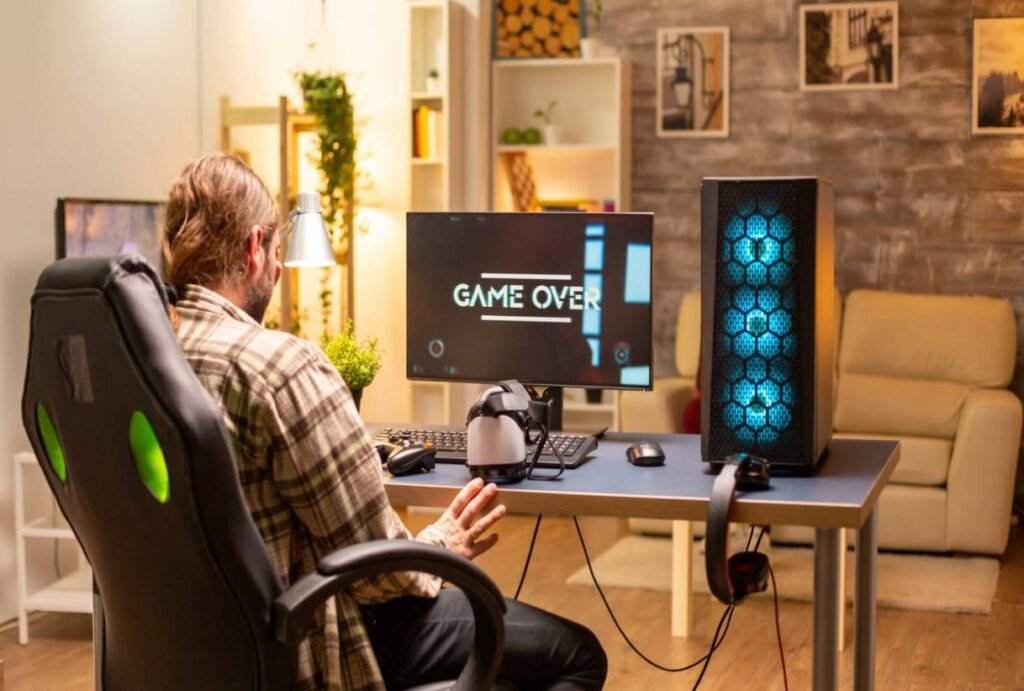
Gaming on Linux has changed considerably over the years. What was once considered a difficult option for many players has become much more accessible thanks to better hardware support, compatibility tools, graphics drivers, game stores, and community development. Today, Linux users have more opportunities to play modern games while also enjoying the flexibility of an open source operating system.
The growing interest in pblinuxtech gaming news by plugboxlinux reflects how players want to stay informed about developments that affect gaming on Linux. New compatibility improvements, graphics updates, handheld gaming devices, and game releases can all influence the experience.
The Changing Linux Gaming Landscape
For a long time, one of the biggest challenges for Linux gamers was the smaller selection of games designed specifically for the operating system. Developers traditionally focused on Windows and consoles, leaving Linux users dependent on alternative solutions.
That situation has gradually changed. Compatibility layers and community projects have made it possible to run many Windows games on Linux with surprisingly good results.
The growing popularity of Linux based gaming devices has also increased attention toward the platform.
Compatibility Tools Have Made a Difference
Compatibility software has played an important role in making Linux gaming more practical. Instead of requiring every game to have a native Linux version, compatibility technology can translate or adapt certain Windows specific components so that games can operate on Linux.
This approach has expanded the number of games available to Linux users.
However, compatibility is not identical for every title. Some games work almost perfectly, while others may require additional configuration or may have limitations related to graphics, multiplayer systems, launchers, or anti cheat technology.
Graphics Drivers Are Extremely Important
Gaming performance depends heavily on graphics drivers. Linux users can choose from different driver options depending on their graphics hardware.
Driver improvements can increase performance, fix graphical problems, improve compatibility, and introduce support for newer technologies.
Keeping graphics drivers reasonably current can therefore be an important part of maintaining a good gaming setup. At the same time, players should avoid updating blindly before major gaming sessions because a new driver can occasionally introduce an unexpected problem.
Linux Gaming and Handheld Devices
Handheld gaming has created another important opportunity for Linux. Compact devices that use Linux based operating systems have demonstrated that desktop style Linux technology can support a convenient portable gaming experience.
These devices typically combine optimized software with controller friendly interfaces, allowing users to access games without interacting with a traditional desktop environment.
The success of Linux based handheld gaming has helped increase interest in the operating system among people who may never have considered it for a desktop computer.
Open Source Tools Benefit Gamers
The open source ecosystem provides gamers with many useful tools. Community projects can improve controller support, game compatibility, performance monitoring, streaming, and system customization.
Because these projects are often developed openly, users can report problems and contribute information that helps improve future versions.
This community driven model is one of the strongest aspects of Linux gaming.
Multiplayer Gaming Can Be More Complicated
Single player games are often easier to run through compatibility tools than competitive multiplayer titles.
The main challenge is frequently anti cheat technology. Some multiplayer games use security systems that expect specific Windows components or configurations. If those systems do not support Linux, the game may not work even when its graphics and basic functionality are compatible.
This is why gamers should check current compatibility information before buying a game specifically for Linux.
Performance Depends on More Than the Operating System
It is easy to blame an operating system when a game performs poorly, but gaming performance depends on many variables.
Graphics hardware, processor performance, available memory, storage speed, drivers, game settings, background applications, resolution, and temperature can all affect results.
A well configured Linux system can provide excellent performance, but users still need hardware that matches the games they want to play.
Reducing unnecessary background services and selecting sensible graphics settings can sometimes produce noticeable improvements.
Steam and Linux Gaming
Digital game distribution has also helped Linux users. Platforms that provide Linux compatible games and compatibility tools make it easier for players to discover and manage their libraries.
A growing number of games can run through compatibility technology even when they were originally developed for another operating system.
For players, this means the practical Linux gaming library can be considerably larger than the list of games with official native Linux versions.
Gaming News Helps Players Make Better Decisions
Technology and gaming news is useful when it explains how developments affect real users.
For example, a new graphics driver release may be important to someone experiencing crashes, while a compatibility improvement could matter more to a player waiting to run a particular title.
Rather than simply announcing updates, useful gaming coverage can explain performance changes, compatibility concerns, hardware requirements, and potential limitations.
This type of information helps players decide whether an update or hardware purchase is actually worthwhile.
Customization Is Another Linux Advantage
Linux gives users considerable freedom to customize their systems. Gamers can choose desktop environments, system tools, performance settings, display configurations, and other components based on their preferences.
Some users enjoy spending time optimizing their systems, while others prefer a simple setup that requires minimal adjustment.
The flexibility allows both approaches. A player can build a highly customized gaming environment or keep the system relatively close to its default configuration.
The Future of Gaming on Linux
Linux gaming is likely to continue developing as more players use handheld devices, compatibility technology improves, and developers become more aware of the growing Linux audience.
Graphics technologies, improved drivers, better controller support, and continued development of compatibility tools could make the platform even more attractive.
At the same time, challenges such as multiplayer anti cheat support and inconsistent compatibility will remain important issues to watch.
Final Thoughts
PBLinuxTech gaming news by PlugboxLinux represents the growing interest in the relationship between Linux and modern gaming. The platform has developed considerably, giving players more choices than they had in the past.
Compatibility tools, improved graphics support, Linux based handheld devices, open source projects, and digital game platforms have all contributed to this progress.
For anyone interested in gaming on Linux, staying informed is useful because compatibility and performance can change over time. The best approach is to look beyond simple claims about whether a game “works” and consider actual performance, multiplayer support, hardware compatibility, and the amount of configuration required.
Linux gaming is no longer just an experimental hobby for a small group of enthusiasts. It has become a meaningful part of the wider gaming landscape, with plenty of room for further growth and innovatio. See more blogs.