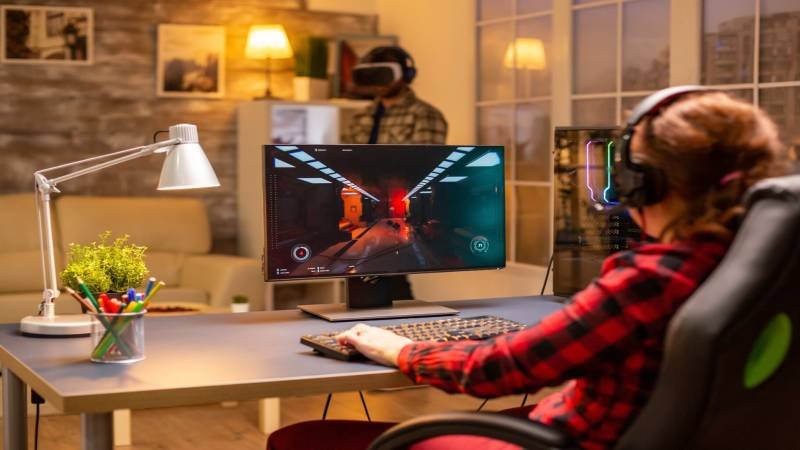
Playing video games today involves more than choosing a character and starting a match. Players also need to understand software updates, system requirements, online security, graphics settings, and changes introduced by game developers. A small update can fix a problem that has bothered players for months, while a major patch can change how an entire game feels.
Gaming updates PBLinuxTech is a topic for readers who want to understand these changes and learn how gaming technology affects their experience. Whether someone plays on a Linux computer, a Windows PC, a console, or a handheld device, knowing what has changed can help them make better decisions and avoid common technical problems.
Why Gaming Updates Deserve Your Attention
Game developers release updates for different reasons. Some updates correct errors that cause crashes or prevent players from completing missions. Others improve online matchmaking, adjust character abilities, add new maps, or introduce fresh challenges.
An update can also change the performance of a game. For example, a developer may reduce unnecessary processing work to help the game run more smoothly on supported hardware. In another case, a patch may fix a visual problem that appears only on certain graphics cards.
Reading update notes before playing is a useful habit. You can learn what has changed, whether a known issue affects your favorite game, and whether you need to adjust your settings. This is particularly helpful for competitive players who depend on consistent controls and familiar gameplay.
How to Decide When to Install a New Patch
Installing updates is usually important, especially when they fix security problems or are required for online play. However, it is still sensible to understand what an update contains before changing a system you rely on.
Start by checking the official announcement from the developer or platform. Look for information about bug fixes, compatibility, known problems, and any changes to system requirements.
If you use a computer for gaming, save your work and close unnecessary applications before beginning a large update. Make sure you have enough storage space and a stable internet connection. Some games require substantial downloads, particularly when developers replace large files or introduce new content.
For major operating system or graphics driver changes, consider waiting briefly if your current setup is working well and the update has reported problems. Check trusted reports and compatibility information first. The goal is to keep your system secure without introducing avoidable trouble before an important gaming session.
Linux Gaming Is Becoming More Accessible
Linux offers users a different approach to computing, with flexible system choices and a strong open source community. Gaming on Linux has also benefited from compatibility tools that allow many games designed for other operating systems to run in a Linux environment.
However, compatibility is not identical across every title. One game may work immediately, while another may require configuration or may have limitations with multiplayer features. Anti cheat software, launchers, graphics drivers, and other technical components can affect whether a game works correctly.
Before downloading a game for Linux, check its current compatibility status and read recent reports from players using similar hardware. A game that worked several months ago may behave differently after a major update, so recent information is more useful than an old recommendation.
Handheld gaming computers have also helped introduce more people to Linux based gaming systems. Their controller friendly interfaces make it possible to enjoy many PC games without using a traditional desktop setup.
Improve Performance Before Buying New Hardware
Slow performance does not always mean your computer needs an expensive upgrade. Sometimes, a few adjustments can help identify and reduce the problem.
Begin by checking whether your computer meets the game’s minimum and recommended requirements. Then look at the graphics settings. High resolution textures, advanced lighting, shadows, and other demanding effects can place considerable pressure on the graphics processor.
Try lowering one setting at a time and compare the results. This makes it easier to identify which option affects performance most. If the game becomes smoother without a major visual difference, you may have found a useful balance.
Background applications can also consume memory and processing power. Close programs you do not need while gaming, and check whether your computer becomes unusually hot during long sessions. Dust buildup, poor airflow, and high temperatures can affect performance.
For Linux users, graphics driver support and the selected graphics session may also matter. Avoid changing several system components at once. Make one adjustment, test the game, and keep track of the result.
Understand What Game Reviews and News Actually Tell You
Gaming news can help players discover upcoming releases, new features, developer announcements, and changes to existing games. Yet not every headline provides enough detail to support a buying decision.
When reading a review, look beyond the overall score. Consider whether the reviewer tested the game on hardware similar to yours, whether performance was stable, and whether the review discusses problems that matter to you.
A game can receive praise for its story but still have technical issues on certain systems. Another title may have simple graphics but offer excellent gameplay and reliable performance. Your own preferences should guide the final decision.
It is also helpful to distinguish confirmed announcements from rumors. Information shared by an official developer account or published release notes is generally a stronger basis for planning than an unsupported social media claim.
Multiplayer Gaming Requires More Than Fast Internet
A good online experience depends on several factors, including network stability, server performance, matchmaking, and the distance between players and game servers.
If you experience lag, first determine whether the problem affects one game or every online activity. Restarting your router may help with temporary network issues, while using a wired connection can provide greater stability in some setups.
Keep your game and network software updated, and avoid downloading large files during competitive matches if your connection becomes congested. If only one game has problems, check its server status and recent developer announcements before changing your entire network setup.
Players should also protect their accounts. Use a strong, unique password, enable two factor authentication when available, and avoid unofficial downloads that promise free items or unfair advantages. These simple precautions can reduce the risk of losing access to an account.
How Gaming Technology May Develop Further
Gaming technology continues to evolve across computers, consoles, mobile devices, and cloud platforms. Recent industry research has highlighted areas such as cross platform play, creator made content, smaller independent games, and the use of artificial intelligence in development. These changes may give players more ways to discover games and connect with other people. <Cite refs={[“turn832767search1″,”turn832767search2”]}/>
Cloud gaming may also appeal to people who do not want to purchase expensive hardware, although the experience depends heavily on internet quality, service availability, and subscription costs. Meanwhile, developers are exploring ways to build games more efficiently and reach different audiences.
Not every new technology will suit every player. A feature that improves one game may have little value in another. It is better to judge new developments by how well they solve real problems than by how impressive they sound in an announcement.
Finding Useful Gaming Information in One Place
Players can save time by following sources that explain updates clearly instead of relying only on short headlines. Helpful coverage should tell readers what changed, which systems are affected, what problems remain, and whether a particular update requires action.
For additional technology and gaming related reading, visit PBLinuxTech. When researching a game or system, compare general articles with official patch notes and compatibility records. This approach gives you a clearer picture of what is confirmed and what may depend on your particular setup.
Keep a simple record of major changes you make to your computer. If a new driver or setting causes trouble, knowing what changed recently can make troubleshooting much easier.
Conclusion
Gaming updates can affect everything from graphics and performance to online security and multiplayer balance. Learning how to read patch notes, check compatibility, adjust settings, and recognize reliable information helps players get more from their games.
Linux gamers should pay special attention to compatibility reports, graphics support, and the requirements of individual titles. Other players can benefit from the same habit of checking official information before making changes.
You do not need to follow every gaming headline to stay informed. Focus on the games you enjoy, the hardware you own, and the updates that genuinely affect your experience. A little research can save time, prevent technical problems, and help make gaming more enjoyable.