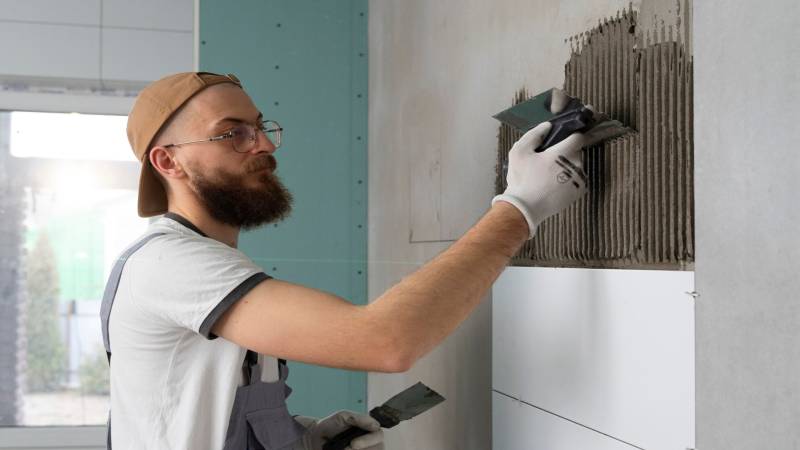
In the realm of home improvement and interior design, achieving a flawless tile installation is a top priority for many homeowners and professionals alike. Whether you’re laying tiles in a kitchen, bathroom, or any other space, the precision of your work can significantly impact the final aesthetic and durability. One critical tool that can make or break your tile project is the grout spacer. These small, often overlooked items play a crucial role in ensuring tiles are aligned perfectly and the grout lines are even. In this guide, we’ll explore the importance of Grout Spacers, how to choose the right ones for your project, effective installation techniques, and common pitfalls to avoid.
Grout Spacers: Essential Tools for Tile Alignment
Grout Spacers are indispensable in the tile installation process, ensuring uniform spacing between tiles for a polished, professional look. These tools are particularly important for aligning tiles during the design development phase, when precise measurements can affect the overall outcome. By maintaining consistent gaps, Grout Spacers help prevent issues such as uneven grout lines and misalignment. This detail is especially crucial when working with intricate tile patterns that require meticulous attention to detail.
When integrating Grout Spacers into your project, it is essential to consider the tile material and the intended room’s functionality. For instance, tiles in a bathroom may require more substantial gaps to accommodate potential expansion due to moisture. The use of spacers aligns perfectly with sustainable practices, such as achieving LEED Certification by ensuring the tiles are set correctly, reducing waste and the need for repairs.
To understand more about how Grout Spacers can enhance your tile work, you can explore Grout Spacers for detailed insights and expert advice.
Choosing the Right Grout Spacer for Your Project
Selecting the appropriate grout spacer for your tile installation is a decision that depends on several factors, including tile size, material, and the desired appearance of the grout lines. Grout Spacers come in various sizes, typically ranging from 1/16 inch to 1/2 inch. The choice of spacer size can affect the room’s acoustics, especially in spaces where sound control is essential. Using the right spacer ensures that acoustic panels, if part of the design, are complemented by the tile layout.
Moreover, the choice of grout spacer should align with the aesthetic goals outlined in your project’s mood board. Larger spacers can create a more pronounced grout line, adding a visual element that might be desired in some designs. In contrast, smaller spacers result in a more seamless look, which can be ideal for contemporary or minimalist interiors.
Referencing a Houzz article, it is crucial to match the spacer size with the tile type and the expected foot traffic in the area, ensuring durability and aesthetics are both prioritized.
Techniques for Effective Tile Installation with Grout Spacers
Proper installation techniques are vital when using Grout Spacers to achieve a professional finish. The process begins with a thorough site analysis to ensure the subfloor is level and prepared for tile placement. Once the surface is ready, spacers should be placed at each corner of the tile, allowing for precise alignment and uniform grout lines.
During installation, it is beneficial to incorporate CAD Software to plan the tile layout accurately. This technology allows for a detailed visualization of the project, helping to anticipate any potential issues with tile placement and alignment before the actual work begins. This approach can save time and resources by minimizing errors and rework.
After setting the tiles and allowing the adhesive to cure, it is crucial to remove the Grout Spacers before applying the grout. This step is part of the punch list, ensuring no spacer is left behind, which could compromise the grout’s integrity.
Common Mistakes to Avoid When Using Grout Spacers
Despite their simplicity, Grout Spacers can lead to common errors if not used correctly. One frequent mistake is selecting the wrong spacer size, which can result in uneven grout lines or tiles that do not align properly. This error can be avoided by carefully reviewing the spec book for the project and ensuring all specifications are met.
Another typical oversight is neglecting to adjust the spacers as tiles are laid. If spacers are not periodically checked and adjusted, the tiles may shift, causing misalignment. Ensuring that spacers are firmly in place and regularly checked can prevent this issue and ensure a high-quality finish.
Finally, failing to remove the spacers before grouting is a common error that can lead to weak grout lines and potential tile movement. This step is a crucial part of the punch list process and should not be overlooked to maintain the project’s integrity.
Conclusion
Grout Spacers are a fundamental tool in achieving a flawless tile installation, ensuring precise alignment and consistent grout lines. By selecting the right spacers, employing effective installation techniques, and avoiding common mistakes, you can enhance the aesthetic and functional quality of your tile projects. For professionals and DIY enthusiasts alike, understanding the role of Grout Spacers in home improvement and interior design can lead to superior results and satisfied clients. See more.